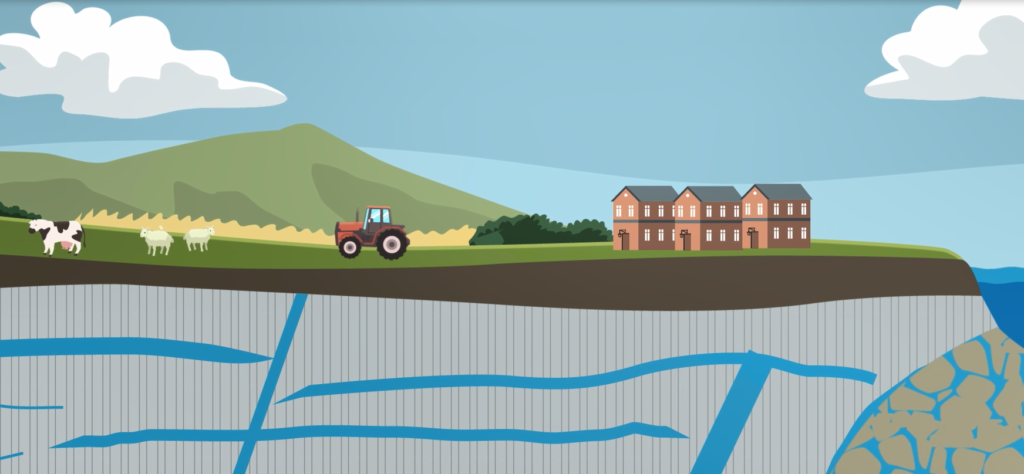
Ecosystem services of Groundwater Microorganisms – Archita Bhattacharyya

Developing next generation leaders in environmental science

Applications are invited for a PhD studentship within the NERC-ENVISION Doctoral Training Partnership, co-funded by JBA Trust, with a project entitled: “Modelling extreme sea states in a changing climate”. Coastal systems are extremely important for the natural environment worldwide. Waves are among the most important physical drivers for their evolution. Climate change involves transformation in […]

In the UK, air pollution has been identified as the largest environmental risk to public health, causing between 28-36,000 deaths per year. The WHO have stated that 99% of the world’s population are exposed to air quality that fails to meet their Guideline limits. Health impacts, such as hospital admissions or increased GP visits, can […]

The Antarctic ice sheet is ringed with floating extensions known as ice shelves, which dam the flow of grounded ice into the ocean. Their removal can cause acceleration of ice flow and subsequent sea level rise. For example, in the decade following the collapse of the Larsen B Ice Shelf in 2002, acceleration of its […]

This project offers the exciting opportunity to assess pan-Arctic meltwater fluxes from the Greenland Ice Sheet and Arctic ice caps, using novel satellite datasets and advanced processing techniques. The Arctic is one of the most rapidly changing environments on the planet. Surface melting across pan-Arctic glaciers contributes freshwater fluxes into the Arctic Ocean that have […]
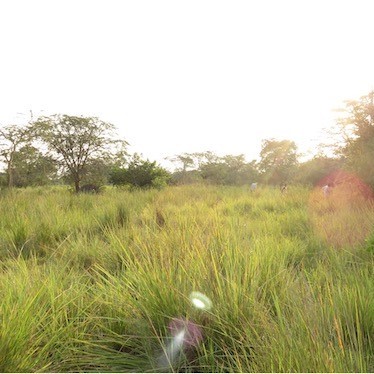
The vast majority of plant species use C3 photosynthesis. However, a turbo-charged form of photosynthesis called C4 evolved independently in nearly 70 lineages and is used by our most productive food and bioenergy crops. C4 photosynthesis evolved repeatedly from the ancestral C3 type via a series of modifications to leaf biochemistry and anatomy, which inevitably […]
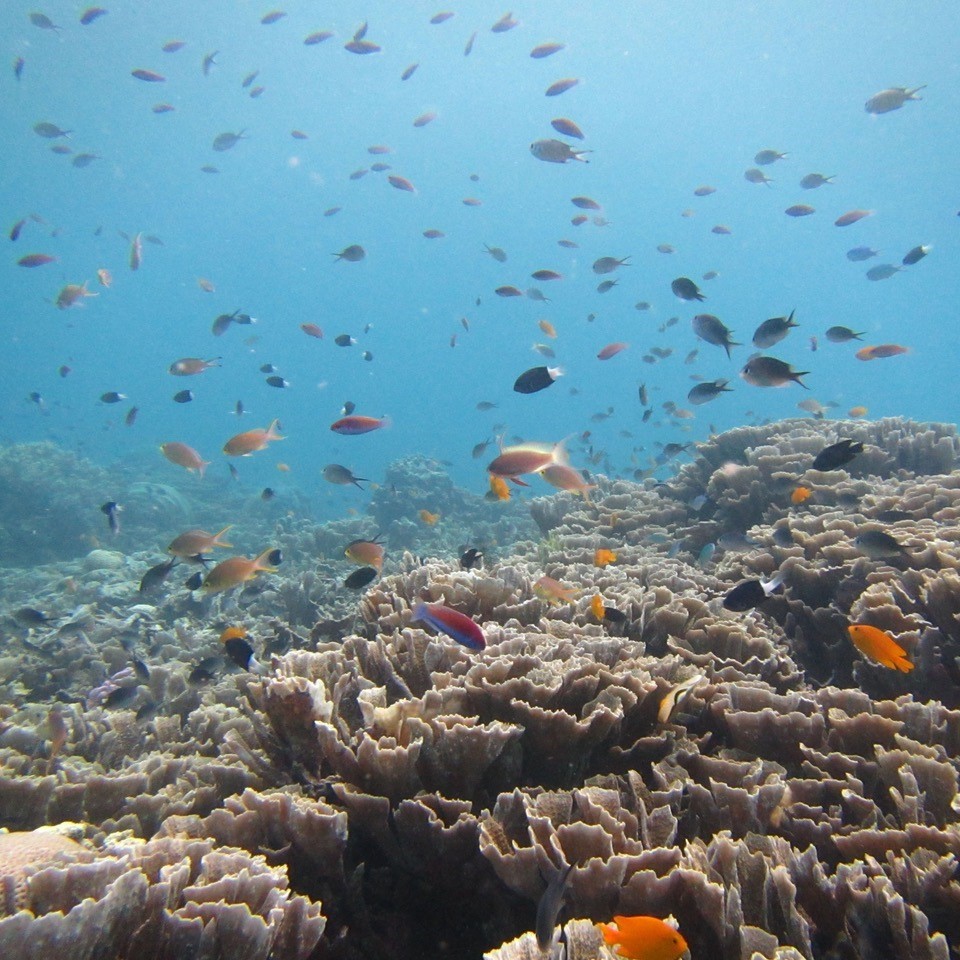
Coexistence of competing species in ecological communities is made possible by co-evolved “rules of engagement”. During competition, these rules enable contest resolution through avoidance or signals, without the need to escalate to direct attacks, which prevents unnecessary energy loss for both individuals. However, rapid environmental change can disrupt established competitor hierarchies as the effect of […]

Ten percent of the world’s population (i.e. 100s of millions) live within 100 km of an active volcano. During all explosive volcanic eruptions pyroclastic density currents (PDCs) can form – high temperature mixtures of rock and gas that rapidly flow away from the volcanic vent. These phenomena are the most lethal of all volcanic hazards […]

This is an opportunity to improve volcanic ash dispersal forecasts through enhancing real-time radar remote sensing. Volcanic ash plumes present a global hazard and have led to well-documented multi-billion-dollar disruptions to international air transport. To improve our forecasts of plume dispersal, radar remote sensing could provide real-time measurements for assimilation into plume dispersal models. However, […]
Why this project is important: There is an urgent need to decarbonise energy generation and transition to zero carbon to mitigate climate change impacts. As part of the drive to decarbonisation, floating solar panels (photovoltaics, FPVs) show great potential as a sustainable energy source at a global scale. However, we know very little about the […]