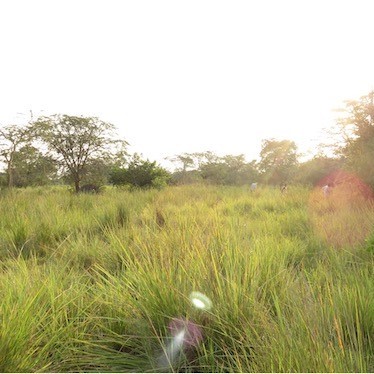
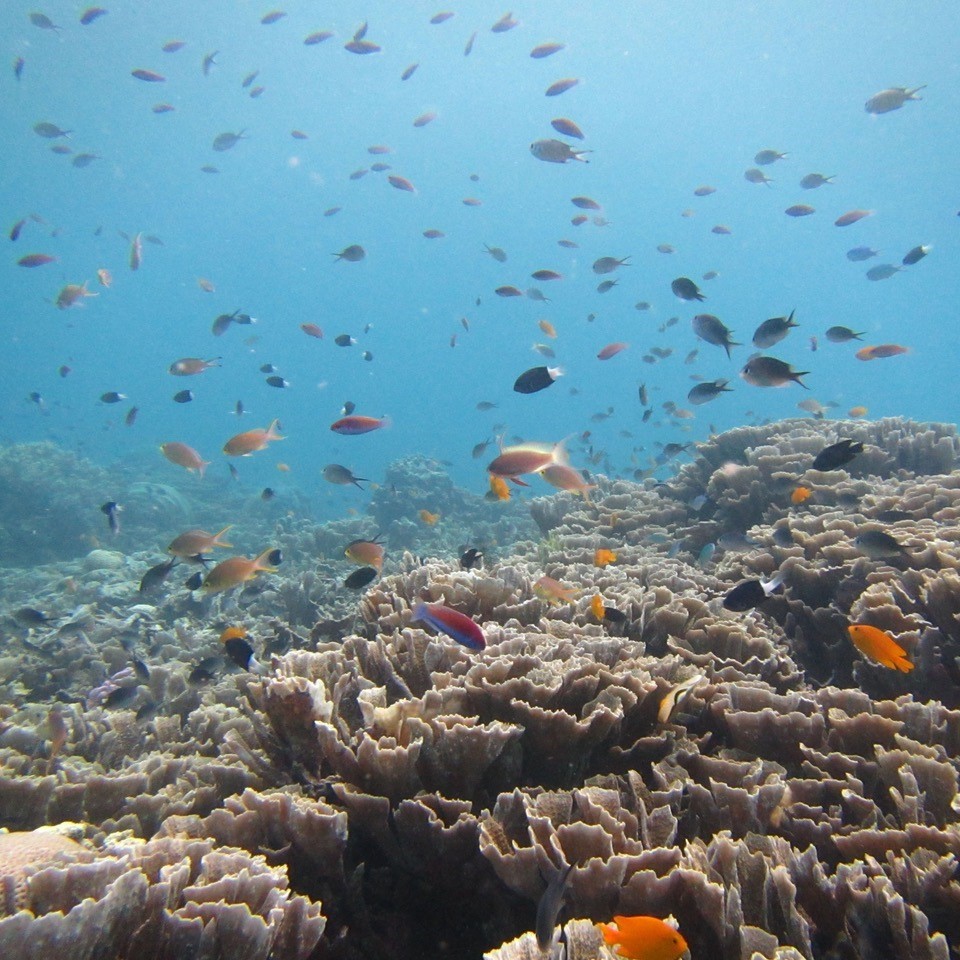
The vast majority of plant species use C3 photosynthesis. However, a turbo-charged form of photosynthesis called C4 evolved independently in nearly 70 lineages and is used by our most productive food and bioenergy crops. C4 photosynthesis evolved repeatedly from the ancestral C3 type via a series of modifications to leaf biochemistry and anatomy, which inevitably […]
Read More
Coexistence of competing species in ecological communities is made possible by co-evolved “rules of engagement”. During competition, these rules enable contest resolution through avoidance or signals, without the need to escalate to direct attacks, which prevents unnecessary energy loss for both individuals. However, rapid environmental change can disrupt established competitor hierarchies as the effect of […]
Read More
Ten percent of the world’s population (i.e. 100s of millions) live within 100 km of an active volcano. During all explosive volcanic eruptions pyroclastic density currents (PDCs) can form – high temperature mixtures of rock and gas that rapidly flow away from the volcanic vent. These phenomena are the most lethal of all volcanic hazards […]
Read More
This is an opportunity to improve volcanic ash dispersal forecasts through enhancing real-time radar remote sensing. Volcanic ash plumes present a global hazard and have led to well-documented multi-billion-dollar disruptions to international air transport. To improve our forecasts of plume dispersal, radar remote sensing could provide real-time measurements for assimilation into plume dispersal models. However, […]
Read More
Why this project is important: There is an urgent need to decarbonise energy generation and transition to zero carbon to mitigate climate change impacts. As part of the drive to decarbonisation, floating solar panels (photovoltaics, FPVs) show great potential as a sustainable energy source at a global scale. However, we know very little about the […]
Read More
Do seabirds enhance the connectivity of reef fishes and elasmobranchs between mangroves and coral reefs? Seabirds forage for fish in the open ocean, returning to islands to roost and breed. In doing so, they transfer nutrients to islands through their droppings (guano), which is known to boost plant and animal productivity in island ecosystems. Seabird […]
Read More
The world’s rainforests are incredible reservoirs of biodiversity, holding over 60% of the world’s animal species and 67% of all tree species. While this remarkable diversity makes them a biologist’s paradise, it also makes them very difficult to study, and there are many fundamental knowledge gaps about how these ecosystems function across time and space. […]
Read More
The diversity of plants and animals found on modern farms has been severely depleted owing to the simplification of landscapes and intensification of crop production. This has had negative consequences for the ecosystem services of pollination and pest control as well as compromising the cultural value of the countryside. There is now a broad consensus […]
Read More
Many butterflies and moths in the UK are in decline. This is a consequence of multiple pressures including climate change, habitat loss and pollution. Across the UK, butterflies and moths of limestone regions are especially at risk. Limestone habitats have been considerably reduced in their extent in recent years. For example, the extent of lowland […]
Read More
Grazing systems are a key target for reducing the greenhouse gas emissions of agriculture, towards sustainable livestock production. Regenerative farming practices such as herb rich pastures (herbal leys), and controlled areas of grazing (cell grazing), show promise as pathways towards net zero agriculture – yet little is known of the impacts of these practices on […]
Read More